- For adult patients
- For parents and caregivers
Electric toothbrushes
Technique, brush heads and useful features. We explain what a powered brush can help with and what still depends on you.
Created Updated
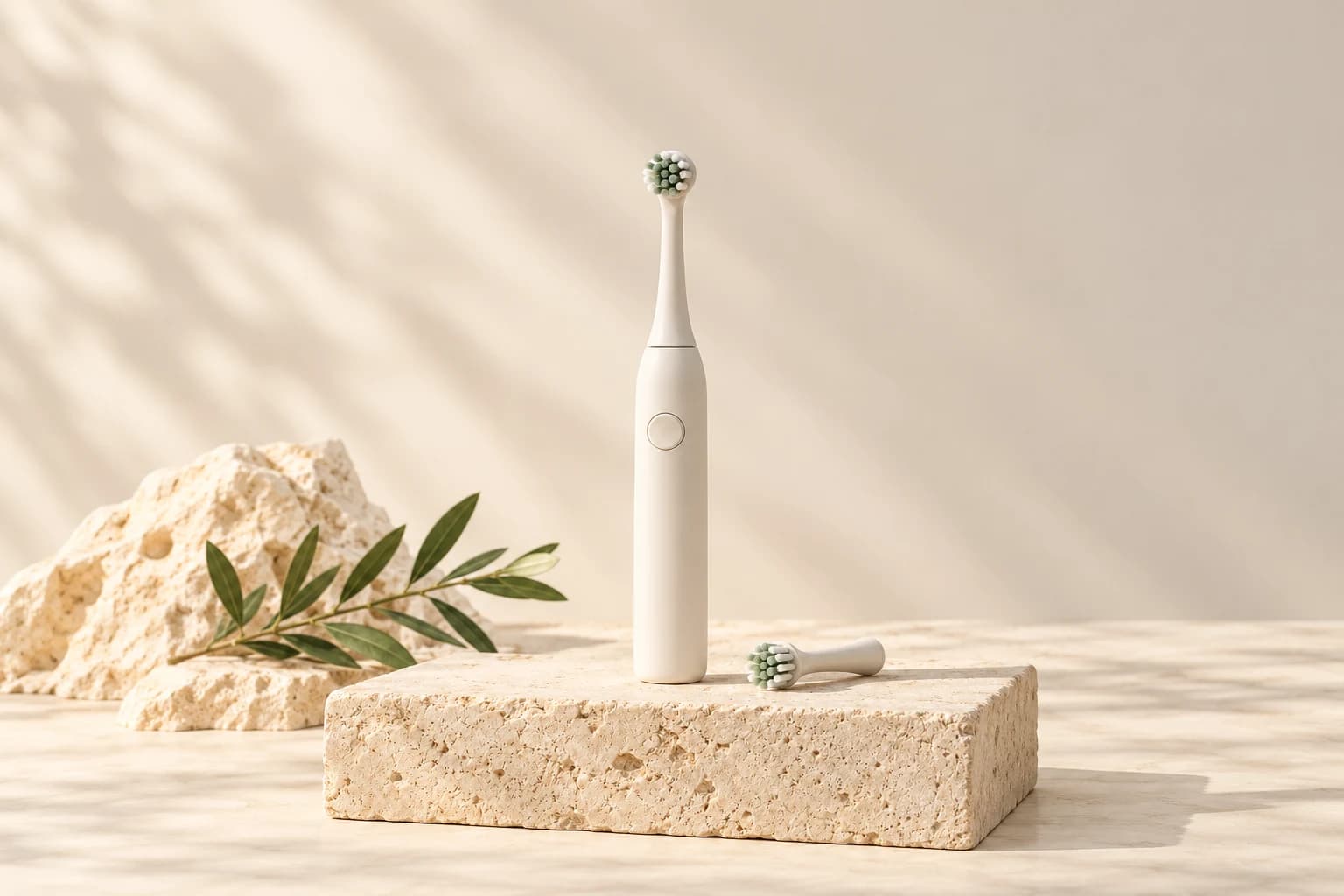
An electric toothbrush moves its bristles for you, but it cannot decide which surfaces you have missed. Choosing one starts with how comfortably you can reach and clean your teeth, rather than the number of modes on the box.
What the moving head changes
Powered brushes use different movements. A small round head may oscillate and rotate; an elongated sonic head vibrates rapidly. The movement changes how you guide the brush, so follow the instructions for the particular model instead of applying the same scrubbing motion to every device.
Both manual and powered brushes can clean effectively when used properly. The ADA considers a powered brush an option for people who need help with plaque removal or hand movement. That does not establish that every electric model is better for every person.
Give every surface some attention
Brush twice daily with fluoride toothpaste for about two minutes, including the inner, outer and chewing surfaces. Move through the mouth in a consistent order. A timer helps with duration; it does not confirm that you reached every surface. Spit out excess toothpaste after brushing instead of immediately rinsing it away.
Use gentle pressure and let the head move as designed. Ask your dental team to demonstrate the technique if you are unsure. Clean the head after use and follow its replacement instructions, especially when bristles become worn. Brushing also needs a suitable method for cleaning between teeth.
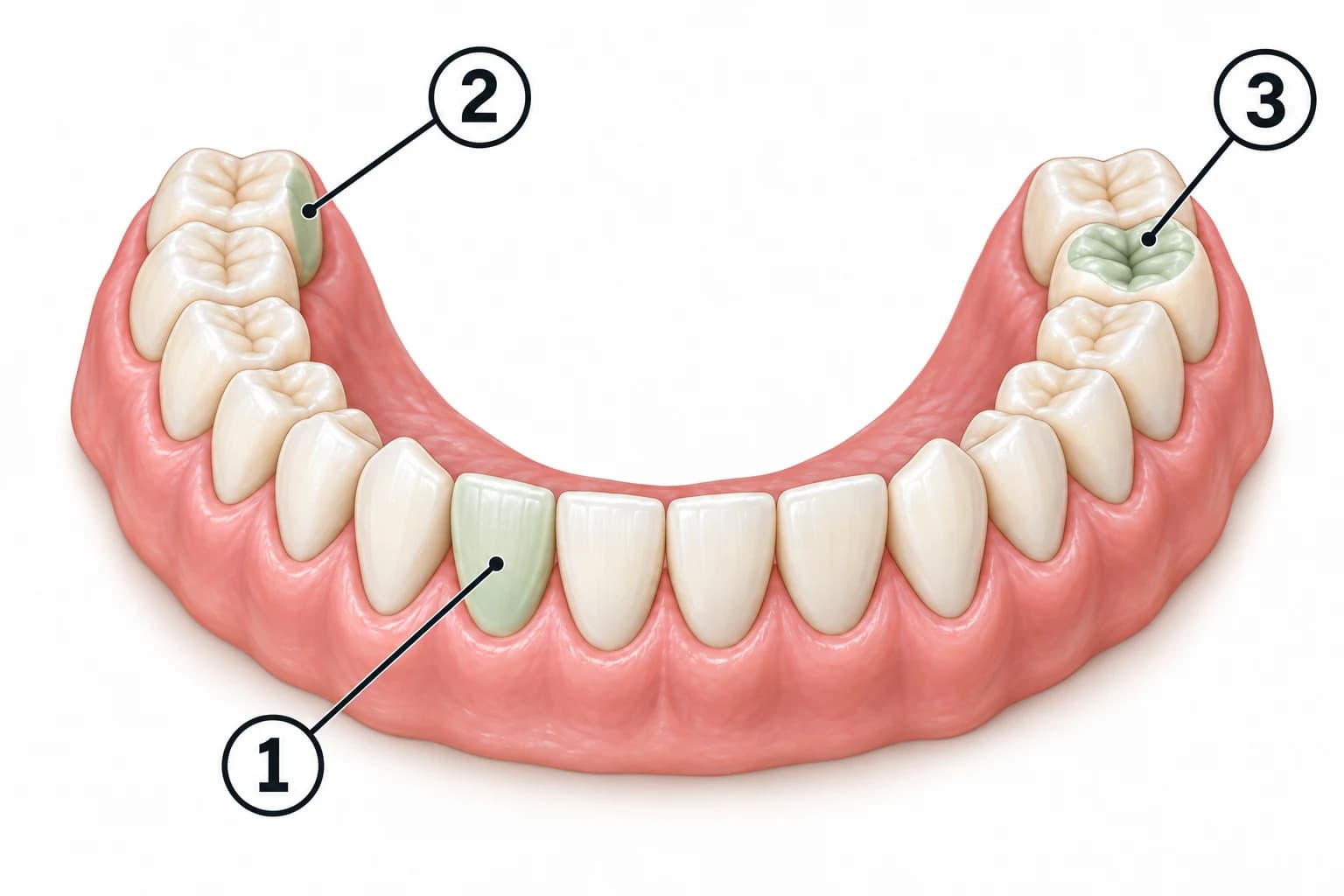
1. Outer surface facing the lips and cheeks. 2. Inner surface facing the tongue. 3. Chewing surface. The diagram shows the lower teeth. Clean these surfaces on the upper teeth too.
Compare the parts you will use every day
Check whether the handle feels secure, the head reaches the back teeth and replacement heads are easy to obtain. A pressure indicator and a simple timer may answer a practical need more directly than an app or many modes. Work out the cost of the handle plus replacement heads, not just the discounted starter pack.
Charging arrangements, noise and vibration also affect whether the brush fits your routine. If someone helps with your care, include them when trying the grip and controls. A feature list cannot tell you whether the brush is comfortable in your mouth.
Benefits and limitations
Potential benefits
- The powered movement may make handling easier when hand control is limited.
- Timers and pressure feedback can support a more consistent routine.
- Replaceable heads let a suitable handle remain in use.
Limits to consider
- The device still needs careful positioning and time on all surfaces.
- Replacement heads and charging add ongoing costs and maintenance.
- Noise or vibration may be uncomfortable for some people.
What to check before choosing
- Check head size, grip and access to the back teeth.
- Price the replacement heads and check compatibility before buying.
- Choose a timer or pressure indicator for a clear purpose, not just a longer feature list.
- Ask for a technique demonstration if you have braces, restorations or need help brushing.
Common questions and misconceptions
It supplies movement, but you still guide the head to each surface. It also does not replace cleaning between teeth.
Extra force is not a useful goal. Use gentle pressure and the movement recommended for your brush. If it hurts or repeatedly triggers the pressure warning, check your technique.
No. A manual brush is a valid option when used effectively. Comfort, ability to use it and your dental team's advice matter more than owning a powered device.
Children and caregivers
A child's brush should fit their mouth and follow the manufacturer's age guidance. A motor or timer does not remove the need for an adult to help and check brushing. Choose the head and technique with the dental team, especially if vibration or handling is difficult.
Sources
- Home oral care American Dental Association · EN
- How to keep your teeth clean NHS · EN
- Oral care products Oral Health Foundation · EN