- For parents and caregivers
Dummies and thumb sucking: a calm plan for change
Understand the role of sucking in infancy, how prolonged habits can affect the bite, and how to support change without punishment.
Created Updated
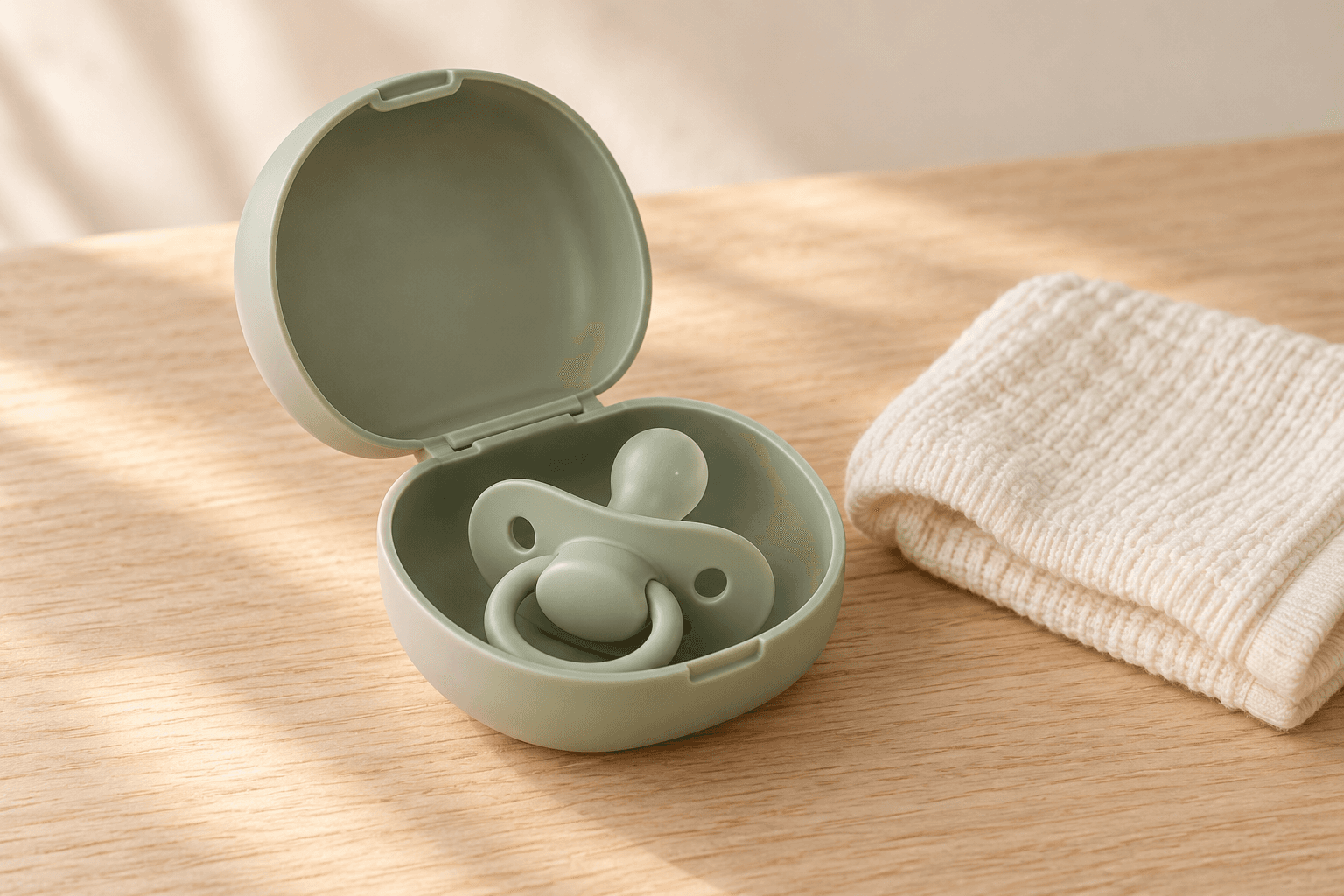
Sucking has a purpose in early life
Babies suck for feeding and also for comfort. A dummy or thumb habit is not evidence that a parent has done something wrong. Decisions in early infancy need to consider feeding, development and safe-sleep advice as well as teeth. Discuss introducing or changing dummy use with the baby's clinician, especially when breastfeeding is still becoming established or the baby has additional needs.
The AAPD's policy recognises potential benefits in infancy alongside risks from prolonged use. Dental advice about an older child's bite should not be turned into a universal rule to remove every infant's dummy immediately. The useful question changes with age: how is the dummy used now, and what plan will help the child need it less as they grow?
Observe when sucking happens. Some children use a dummy only when falling asleep, while others keep it in for much of the day. A thumb may appear during tiredness, concentration or stress. This pattern helps the family choose a realistic first change and gives the dentist more information than simply answering “yes” or “no” about the habit.
Sources: Policy on pacifiers · Infant and early-childhood oral health
Use an intact product safely
Choose an age-appropriate dummy that meets applicable safety standards and follow the manufacturer's instructions. Inspect it regularly for splits, weak areas or loose parts, and replace it when required. Never cut or puncture a dummy to make it less appealing: damage can create a choking hazard. A bottle teat is not a substitute for a purpose-made dummy.
Do not tie a cord around a child's neck or attach a dummy to clothing during sleep. Do not dip it in sugar, syrup or honey. Honey is unsafe for babies under one, and sweetening a comfort item also creates repeated sugar exposure. Clean and store the dummy as directed rather than improvising disinfectants or using another person's mouth to clean it.
A dummy is not a way to postpone a needed feed or ignore signs that a baby is unwell. If feeding, growth or settling is difficult, ask for support that considers the whole situation. For sleep arrangements, follow the child's medical team's current safe-sleep guidance; this article is about oral habits and does not replace it.
Sources: Policy on pacifiers · Pacifiers and thumb sucking
Duration matters more than a marketing label
Persistent sucking can affect how the teeth meet and how the jaws develop. The effect depends on the habit's duration, frequency and intensity, as well as the child. A dentist can look for an open bite, crossbite or other changes. You cannot reliably judge future orthodontic need from the shape of a dummy or a photograph of the child's smile.
The AAPD recommends anticipatory guidance towards stopping non-nutritive sucking by 36 months. It notes that prolonged dummy use beyond about 18 months can influence developing oral structures. These are reasons to plan a conversation early, not to frighten a family about a single night or promise that every change will correct itself after stopping.
An “orthodontic” label does not guarantee that prolonged use will be harmless. If a child is approaching three and still depends heavily on the habit, or if you notice that the teeth do not meet as expected, arrange a dental discussion. The clinician can help set priorities and decide whether observation or further assessment is needed.
Sources: Policy on pacifiers · Questions about infant oral care
Choose a manageable first step
Start during a reasonably settled period rather than in the middle of illness or a major family change. Explain the plan in language the child understands. A parent might first limit the dummy to a particular settling routine, then build another source of comfort. That is an example to adapt with advice, not a schedule every family must follow.
- Notice the moments that trigger the habit and choose one small change to practise.
- Offer a replacement comfort routine, such as sitting together, a story or another age-appropriate soothing activity.
- Acknowledge effort specifically and use simple positive rewards if helpful; avoid sweets as the default reward.
- Agree the same approach with other caregivers, and review it if distress or another persistent habit increases.
Do not shame, threaten or restrain the child. A setback does not mean the plan has failed. Consider whether the step was too large or whether the habit is meeting a need that has not yet been addressed. Support should help the child cooperate rather than make comfort a source of conflict.
Sources: Policy on pacifiers · Supporting cooperation
A thumb habit needs the child's cooperation
A thumb cannot be removed from the house like a dummy. The child needs to recognise when the habit happens and have another way to respond. Gentle agreed reminders can be useful when a child wants to stop. Constant correction, bitter substances used without advice or tying hands can turn an automatic habit into a struggle and may cause harm.
Ask the dentist for an individual plan if the habit persists, changes the bite or is difficult to manage. Appliances are not an automatic first step and should not be bought online as a home remedy. Assessment should consider the child's readiness, the bite and any other developmental or emotional needs.
Sources: Policy on pacifiers · Developing dentition and oral habits
What to take to the conversation
Tell the dentist when the habit began, when it happens now, whether the child wants to change it and what you have already tried. Mention feeding, sleep or communication concerns without assuming the habit is their cause. In particular, evidence about dummy use and speech is not a basis for diagnosing a speech problem at home.
Agree on a small next step, a time to review it and what would justify earlier reassessment. Continue ordinary brushing and dental visits while working on the habit. Families do not need to complete one challenge before receiving help with the others.
The first teeth: care from birth to age three
Brushing together in the preschool years
Sources: Infant and early-childhood oral health · Developing dentition and oral habits
Sources
- Policy on pacifiers AAPD · EN
- Infant and early-childhood oral health AAPD · EN
- Pacifiers and thumb sucking American Academy of Pediatrics · EN
- Questions about infant oral care Dental Health Foundation · EN
- Supporting cooperation SDCEP · EN
- Developing dentition and oral habits AAPD · EN