- For adult patients
Teeth whitening at home
Stain removal and bleaching are different. We explain expectations, possible drawbacks and what to ask before choosing a home treatment.
Created Updated
Whitening changes appearance; it is not a required step in keeping teeth healthy. Before comparing kits, establish what is causing the colour change and whether your teeth and gums are suitable for whitening. Choosing not to whiten is also a valid option.
Cleaning stains and bleaching are different jobs
A product marketed for whitening may aim to remove surface stains, while a bleaching treatment changes the colour of natural teeth chemically. These are different mechanisms, so the word whitening on two boxes does not establish equivalent results.
Compare what the product actually does, the active ingredients and the evidence for its claims. A dramatic photograph cannot tell you whether lighting, editing or a different treatment contributed to the result. Ask for expectations relevant to your teeth rather than a promised shade.
Start with a dental assessment
A dentist can check teeth and gums and discuss whether whitening is appropriate. Crowns, fillings and other restorations do not respond like natural teeth, so the visible result may be uneven. Bring a list of existing sensitivity and the products you are considering to that conversation.
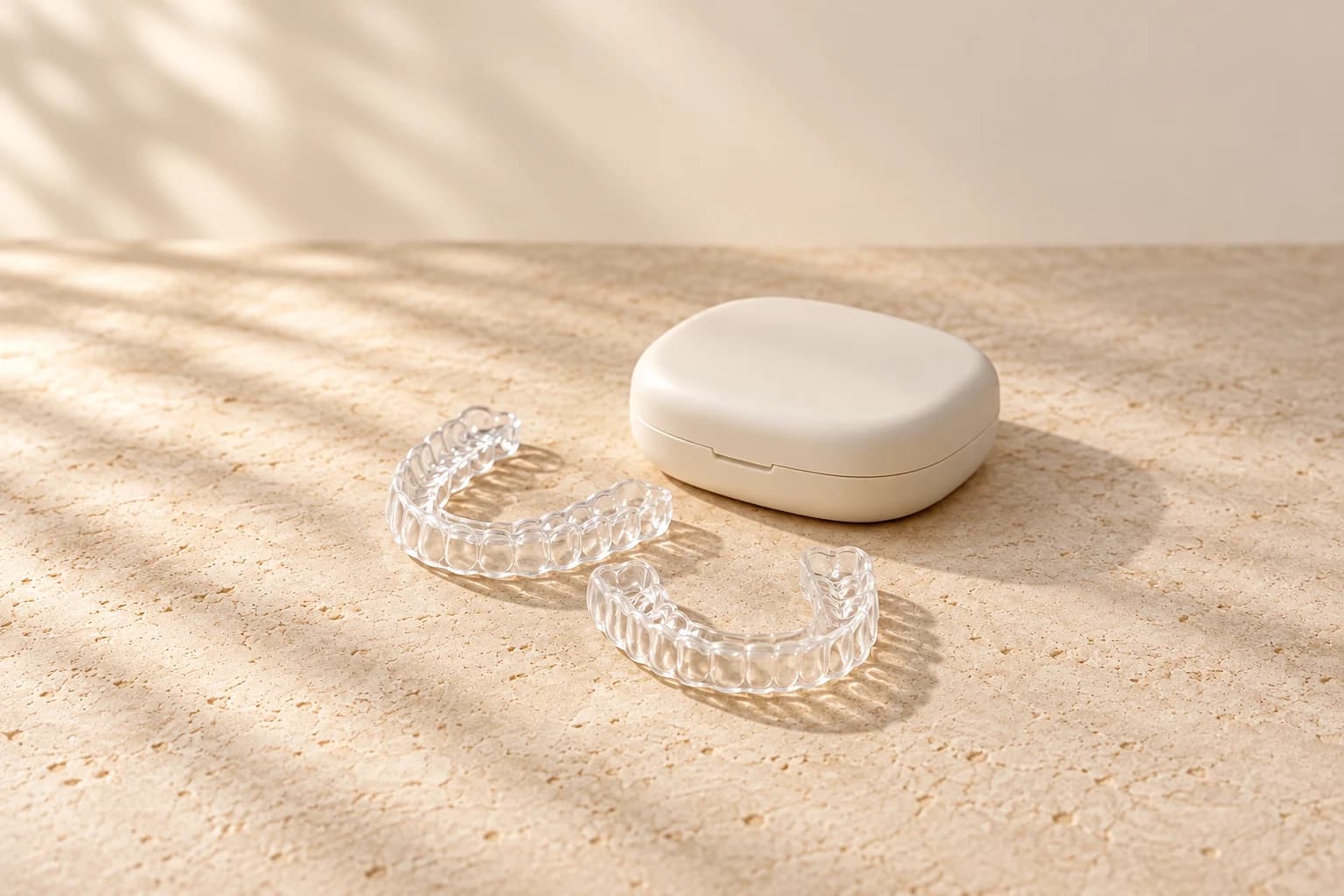
Dentist-supervised home whitening and a retail kit are not interchangeable arrangements. The NHS describes assessment, fitted trays and instructions as parts of supervised home treatment. Its information is UK guidance, not a statement of the rules for every country.
Balance the cosmetic goal against the drawbacks
Sensitivity and irritation of the gums can occur with whitening. A stronger product or longer application is not a safe shortcut to a better result. Follow the instructions for the actual treatment and seek advice if discomfort occurs; do not combine products or improvise chemical mixtures.
Ask what change is realistic, how the result may change over time and what follow-up is included. Total cost can include assessment, trays and later care. If the seller cannot explain the ingredients, intended use and instructions, the price alone is a poor basis for choosing.
Benefits and limitations
Potential benefits
- Can address an adult's cosmetic preference when the method is suitable.
- Supervised home treatment can include an assessment and tailored instructions.
- Understanding the mechanism helps distinguish stain-removal claims from bleaching.
Limits to consider
- Sensitivity and gum irritation are possible.
- Restorations may not change colour with natural teeth.
- Results vary and are not permanent; whitening does not treat dental disease.
What to check before choosing
- Ask what is causing the colour change and whether treatment is appropriate.
- Discuss existing sensitivity, gum problems and visible restorations.
- Check ingredients, instructions and the evidence for the specific claim.
- Compare the whole treatment and follow-up, not just the kit price.
- Keep ordinary daily care in place regardless of the cosmetic decision.
Common questions and misconceptions
Tooth colour is not a reliable test of oral health. Whitening is a cosmetic choice and does not replace assessment or prevention.
No. Ingredients, mechanism, fit and professional supervision differ. A similar label does not establish the same effect or suitability.
They do not respond like natural teeth. Ask a dentist how existing restorations could affect the appearance before starting.
Information for adults
This guide addresses adult cosmetic choices. We do not recommend a children's whitening shopping routine. If a child's tooth changes colour, ask a dentist about the cause and appropriate care instead of trying a home whitening product.
Sources
- Oral care products Oral Health Foundation · EN
- Teeth whitening NHS · EN
- Home oral care American Dental Association · EN