Bleeding gums: causes, examination and treatment
Understand plaque, gingivitis and periodontitis, the changes to report and the questions to ask your dentist.
Created
Bleeding is a reason for a dental check
Blood on a toothbrush, swelling or sore gums deserve attention even when your teeth do not hurt. A photograph, smell or home test cannot establish the cause. Book a dental assessment and describe when the change began, where it happens and what brings it on.
Continue gentle cleaning with light pressure. Leaving a bleeding area untouched can allow more plaque to remain. Avoid forcing an interdental brush that does not fit or scrubbing harder in an attempt to stop the bleeding.
Sources: Gum disease · Oral hygiene basics
Plaque, tartar, gingivitis and periodontitis
Plaque is a soft film containing microorganisms. When it mineralises, it forms tartar, also called calculus. Tartar needs professional removal; scraping it off at home is not a safe alternative.
Gingivitis is inflammation of the gums. When caused by plaque, it can usually resolve with effective daily cleaning and appropriate professional care. Periodontitis damages the tissues and bone that support the teeth. Brushing more thoroughly alone does not restore lost support.
The amount of bleeding cannot tell you which condition you have. Periodontitis may cause little or no pain. Your dentist examines the gums, measures the spaces between gums and teeth, and takes X-rays when needed to check for bone loss.
Sources: Periodontal disease
Tell the team what has changed
Describe observations rather than trying to diagnose yourself: bleeding during brushing, an unpleasant taste, receding gums, new gaps or a tooth that feels loose. Tell the team about smoking, diabetes, pregnancy and medicines. Do not stop prescribed medicine because of bleeding without speaking to your treating clinician.
Smoking and diabetes matter when assessing risk and planning treatment. This does not make gum disease a personal failure or mean there is only one cause. A useful conversation ends with a practical plan for home care, treatment and follow-up.
Sources: Periodontal disease · Gum disease
Home care and professional treatment work together
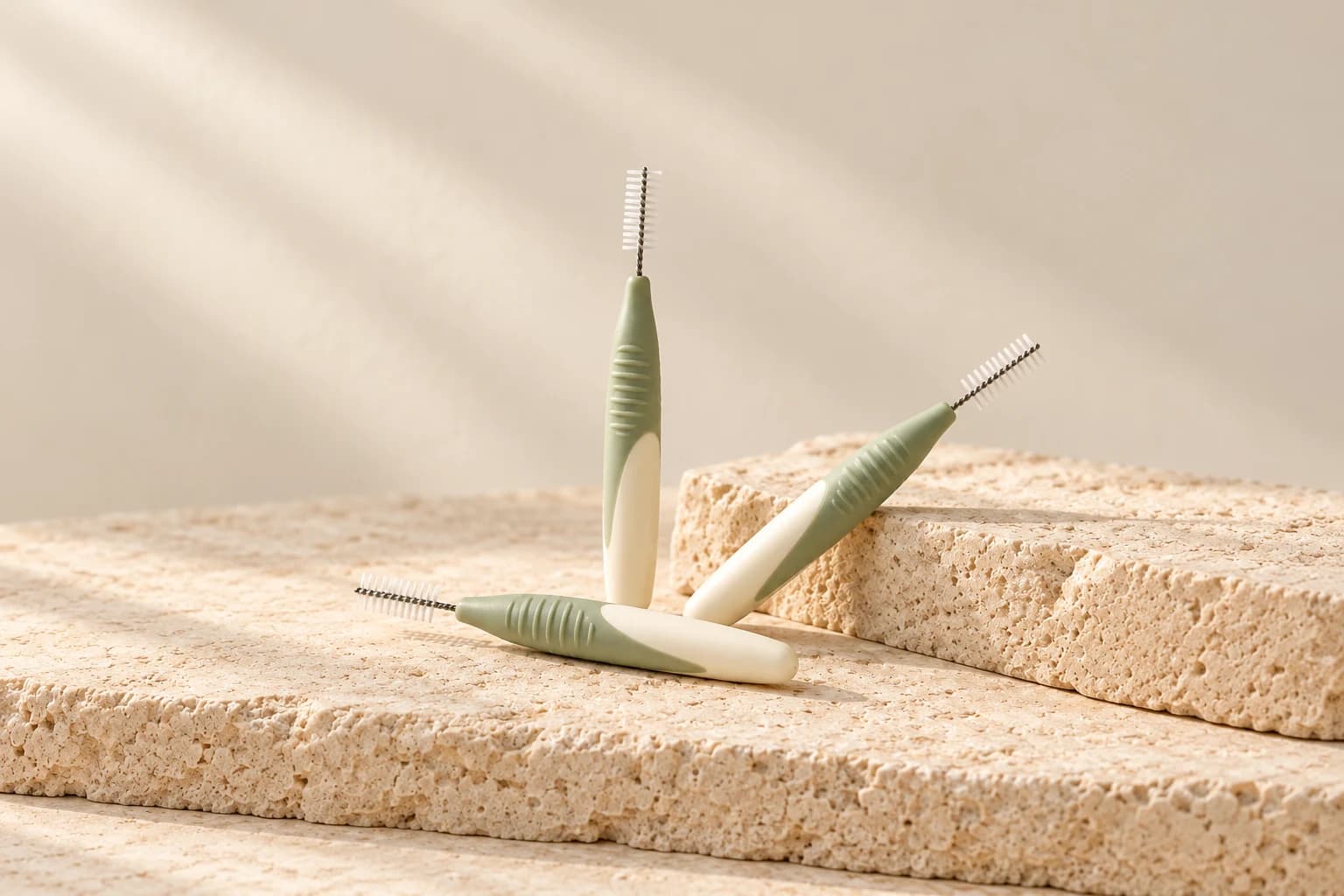
Ask the team to show where plaque remains and how to reach it. You may need more than one interdental brush size. Our daily-care guide explains the basics; a demonstration makes them specific to your mouth.
Treatment depends on the findings. It may involve professional cleaning, including below the gumline, or referral to a periodontist, a dentist specialising in the tissues that support teeth. Medicines or medicated rinses may be part of treatment, but they do not remove tartar or replace the cleaning that is needed. Do not use antibiotics left over from an earlier illness.
Follow-up appointments are needed after treatment. Ask when to return and which measurements will be compared. Less bleeding is a useful sign, but it does not by itself show whether the disease is under control.
Sources: Periodontal disease · Gum disease · Oral hygiene guidance
Changes that need faster attention
Contact a dentist for an urgent assessment if you have severe pain, increasing swelling, a high temperature or a newly loose tooth. Get emergency medical help immediately for difficulty breathing, speaking or swallowing, extensive swelling in the mouth, swelling or pain around an eye, sudden changes in vision or severe difficulty opening your mouth.
An ulcer lasting longer than three weeks, a lump or a red or white patch in the mouth needs assessment. You do not need to wait three weeks before reporting a lump or patch. These changes have several possible causes and do not necessarily mean cancer, but do not leave them until your next routine check-up.
Sources: Abscess and emergency signs · Mouth changes that need assessment
Sources
- Gum disease NHS · EN
- Oral hygiene basics NIDCR · EN
- Periodontal disease NIDCR · EN
- Oral hygiene guidance Delivering Better Oral Health · EN
- Abscess and emergency signs NHS · EN
- Mouth changes that need assessment NHS · EN