Helping someone with daily mouth care
Preparation, consent, independence and coordination with the dental team when brushing becomes difficult.
Created
Start with the help the person needs
Helping someone brush is personal care and begins with a conversation. Ask how they want support and which steps they can do themselves. They may only need a reminder or toothpaste put on the brush; others need help guiding the movement or completing the clean.
Explain the next step, show the item and allow time to respond. Agree on a signal for a break. A familiar sequence and quiet surroundings may help when memory or communication is difficult. Do not force the mouth open. Persistent difficulties need a plan from a team with suitable experience.
Sources: Brushing: information for caregivers · Care for older adults and adults with disabilities
Prepare the space and supplies
Provide good lighting, support and a position from which you can see the mouth. The person is usually seated upright, but follow their positioning plan when they have specific medical needs. Prepare the brush, prescribed or usual fluoride toothpaste, a towel and a bowl if needed.
Wash your hands. Use appropriate disposable gloves when helping inside the person’s mouth. Do not share toothbrushes. Keep supplies separate and clean, and follow storage instructions.
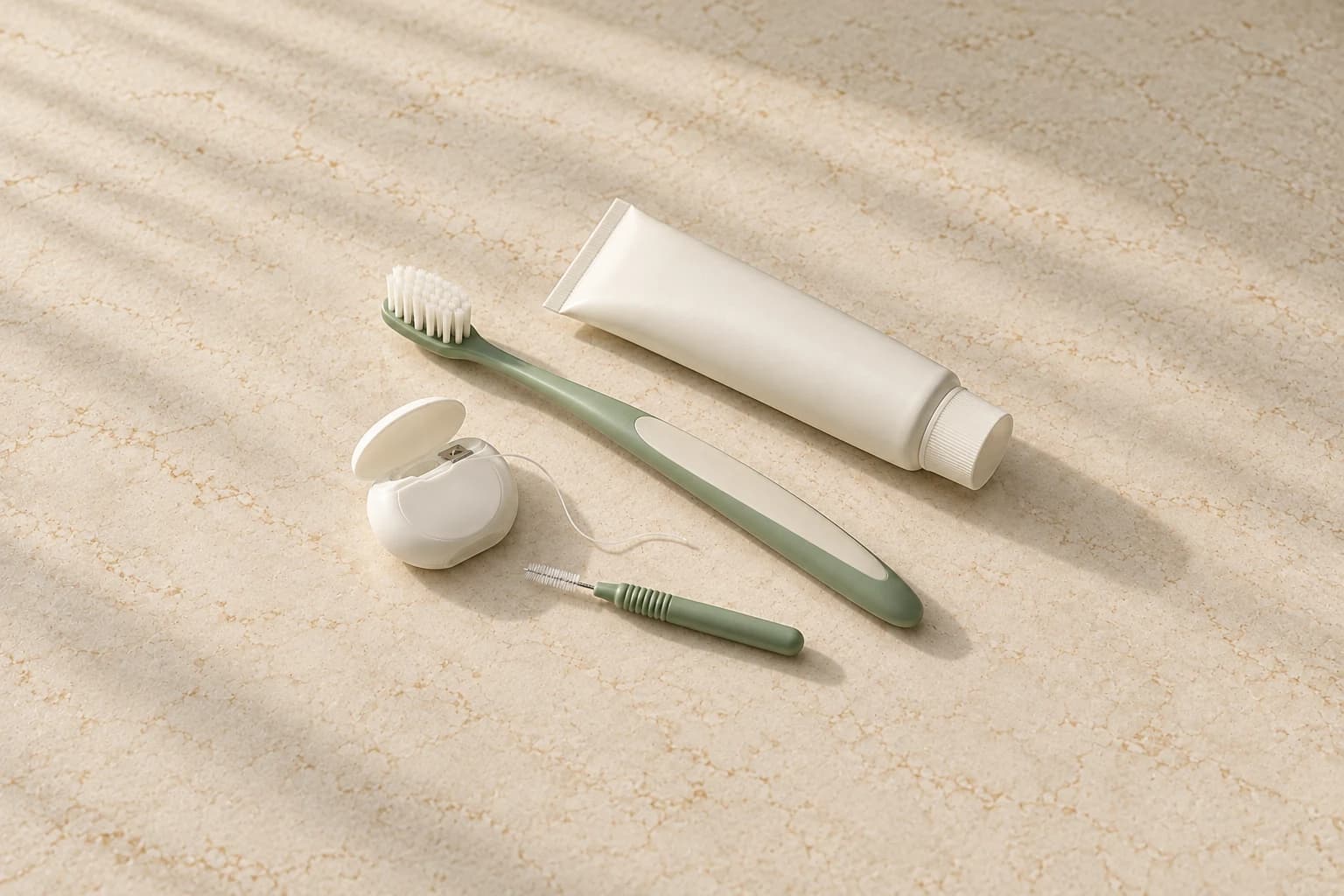
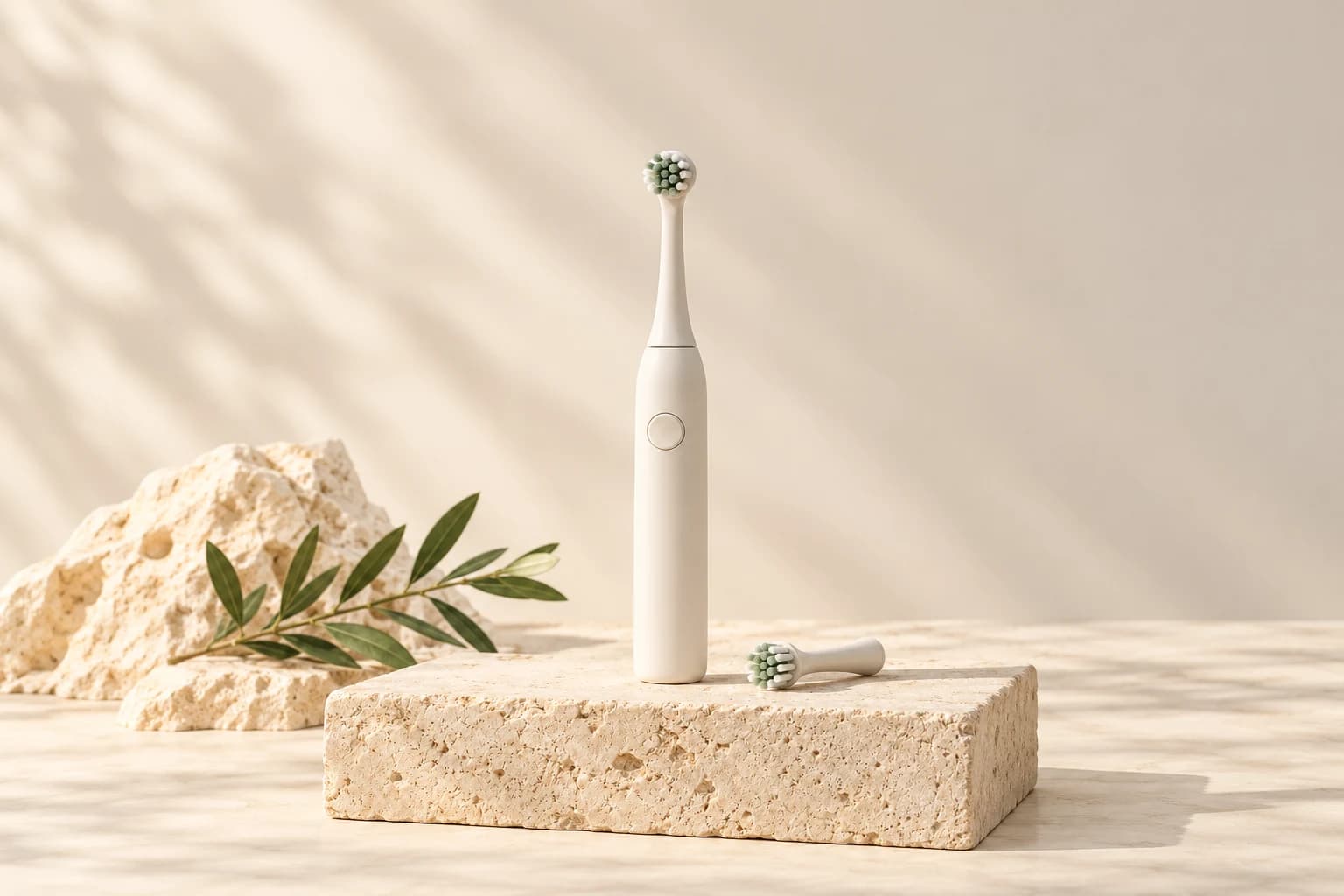
A thicker handle or an electric brush may help with limited movement. Check that the person can hold it comfortably and tolerate its noise and vibration. An aid is useful when it makes reaching and cleaning the teeth easier.
Sources: Brushing: information for caregivers · Care for older adults and adults with disabilities
Offer support in stages
- Invite the person to start. A brief reminder about the next surface may be enough.
- With their agreement, gently guide their hand. Do not pull the brush or force a faster movement.
- Help with difficult areas using light pressure and a clear view. Ask a dentist or hygienist for a demonstration suited to the individual.
- Pause for fatigue, pain or distress. Discuss how to achieve effective cleaning if the full sequence is difficult.
The aim remains brushing twice daily with fluoride toothpaste and appropriate cleaning between teeth. Remove and clean removable dentures separately as instructed. Do not improvise objects to hold the mouth open.
Everyday care for teeth and gums
Sources: Brushing: information for caregivers · Oral hygiene basics
Swallowing difficulties need a separate plan
Dysphagia means difficulty swallowing. Liquids and debris may enter the airway when swallowing is impaired. If the person coughs or chokes during cleaning, stop and ask their treating team for guidance. Known dysphagia or difficulty spitting requires an individual plan. Do not pour water or mouthwash into the mouth. Ask the dental and treating teams about positioning, toothpaste type and quantity, removing residue and suitable tools.
A person fed through a tube still needs mouth care. The feeding method is not a reason to omit it. Match the routine to the medical plan and ask for training if specialist equipment is recommended.
Refusal can signal discomfort
Sudden refusal of brushing, grimacing during meals, changed chewing or restlessness may be a reason to investigate pain or a denture problem. Do not automatically assume the person is being uncooperative. Record what happens and seek professional assessment.
Increasing swelling, fever or severe pain needs prompt dental attention. New or suddenly worsening difficulty breathing or swallowing, or extensive swelling in the mouth, requires emergency medical help. Behaviour changes alone do not establish a diagnosis.
Sources: Care for older adults and adults with disabilities · Abscess and emergency signs
Sources
- Brushing: information for caregivers NIDCR · EN
- Oral hygiene basics NIDCR · EN
- Mouth care with swallowing difficulties Wirral Community Health and Care NHS Foundation Trust · EN
- Abscess and emergency signs NHS · EN